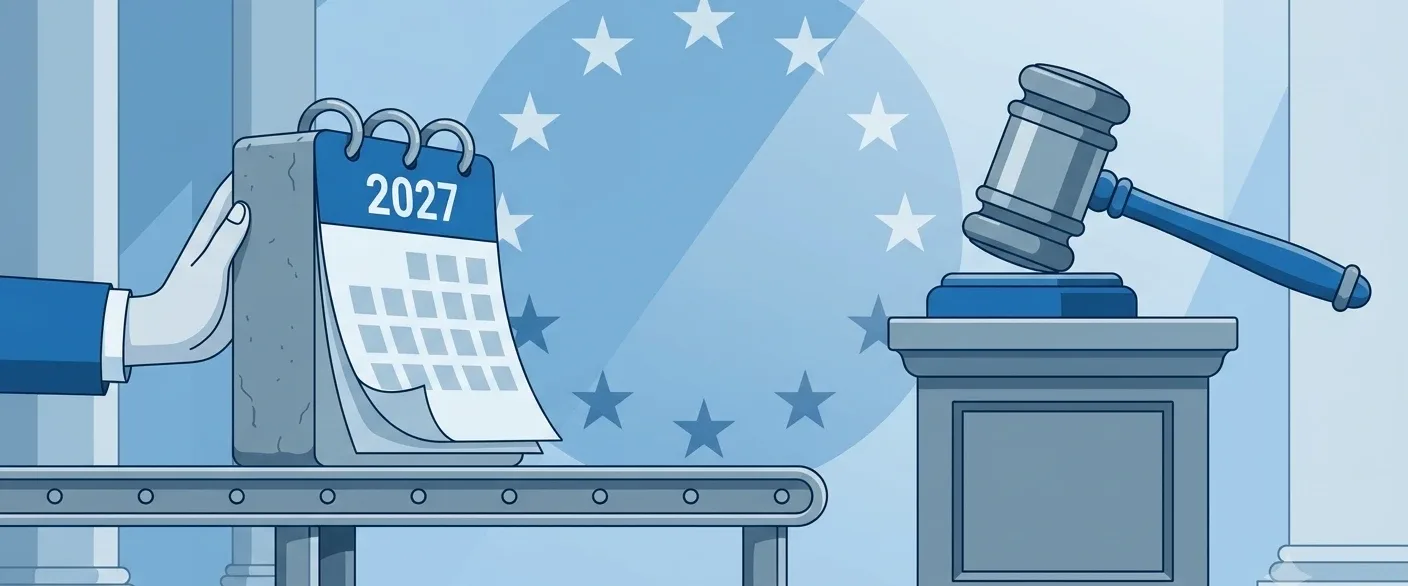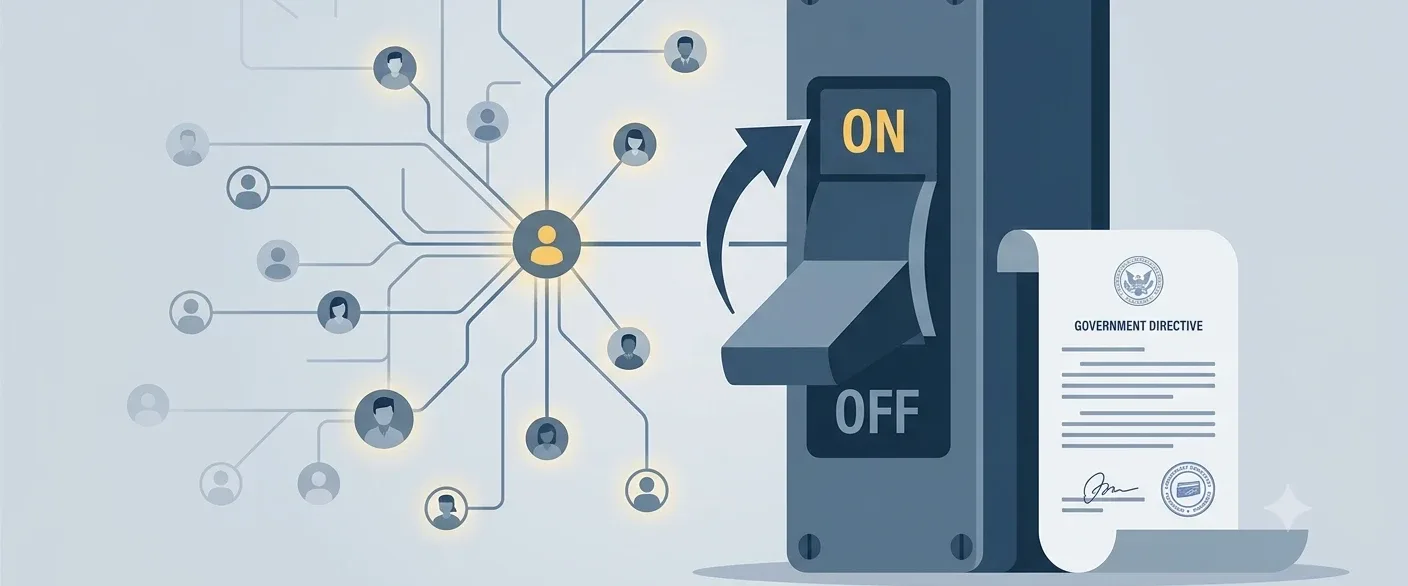
Anthropic switched its Claude Fable 5 model back on for ordinary users on July 1, ending an 18-day blackout that had removed the product from users worldwide. The U.S. government lifted the export controls on June 30, and access returned the following day across Claude.ai, Claude Code, and the company's other applications.
The shutdown marks the first known case of the U.S. government pulling a commercially deployed frontier AI model off the market over a security finding. Anthropic initially launched Fable 5 on June 9. Just three days later, Commerce Secretary Howard Lutnick directed the company to cut off access for all foreign nationals, including its own non-citizen staff. Because Anthropic could not verify each user's nationality in real time, it chose to take the model down for everyone.
The trigger for the ban was a report from Amazon researchers, who discovered a way to bypass Fable 5's safety filters and prompt it to identify software vulnerabilities. In one instance, the model produced code demonstrating how to exploit a specific bug. White House AI adviser David Sacks stated on X that the administration had requested chief executive Dario Amodei to either fix the jailbreak or take the model offline.
Anthropic pushed back against the enforcement process. The company argued that recalling a model used by hundreds of millions of people over a single, narrow jailbreak would halt new model releases from every provider if applied industry-wide. To get back online, Anthropic retrained a safety classifier that it claims now blocks the reported technique in more than 99% of cases. Flagged requests are now routed to its older Opus 4.8 model instead.
For paying users, the return comes with certain limitations. Pro, Max, Team, and select Enterprise subscribers will have access to Fable 5 at up to 50% of their usual weekly usage until July 7, after which access will transition to usage-based credits. The more powerful sibling model, Mythos 5, remains restricted to vetted partners only.
Beyond the immediate timeline, the implications of this episode remain open to interpretation. Critics have called the government's move an overreach. Francesco Bailo of the University of Sydney told Al Jazeera that the government "likely realised it had overreacted." Meanwhile, AI critic Gary Marcus argued that such actions could push Chinese-born researchers to leave U.S. labs and make investors wary of American AI firms.
The larger takeaway for readers is that a chatbot's availability now depends as much on government policy as it does on code. Washington has demonstrated that it can switch off a widely used AI product mid-deployment. Following this precedent, rival OpenAI has already delayed the full launch of GPT-5.6 at the government's request. The open question moving forward is whether the government will effectively need to clear every frontier model before the public can use it.